

If you’ve ever felt a sharp pain in your heel, you know how disruptive it can be your mobile podiatrist. It might start as a mild annoyance or hit you suddenly, making every step uncomfortable. Understanding what’s causing that pain is key to finding relief, as different issues require different approaches. Before the discomfort worsens or limits your daily routine, it’s important to recognize the signs and know what steps you can take next.
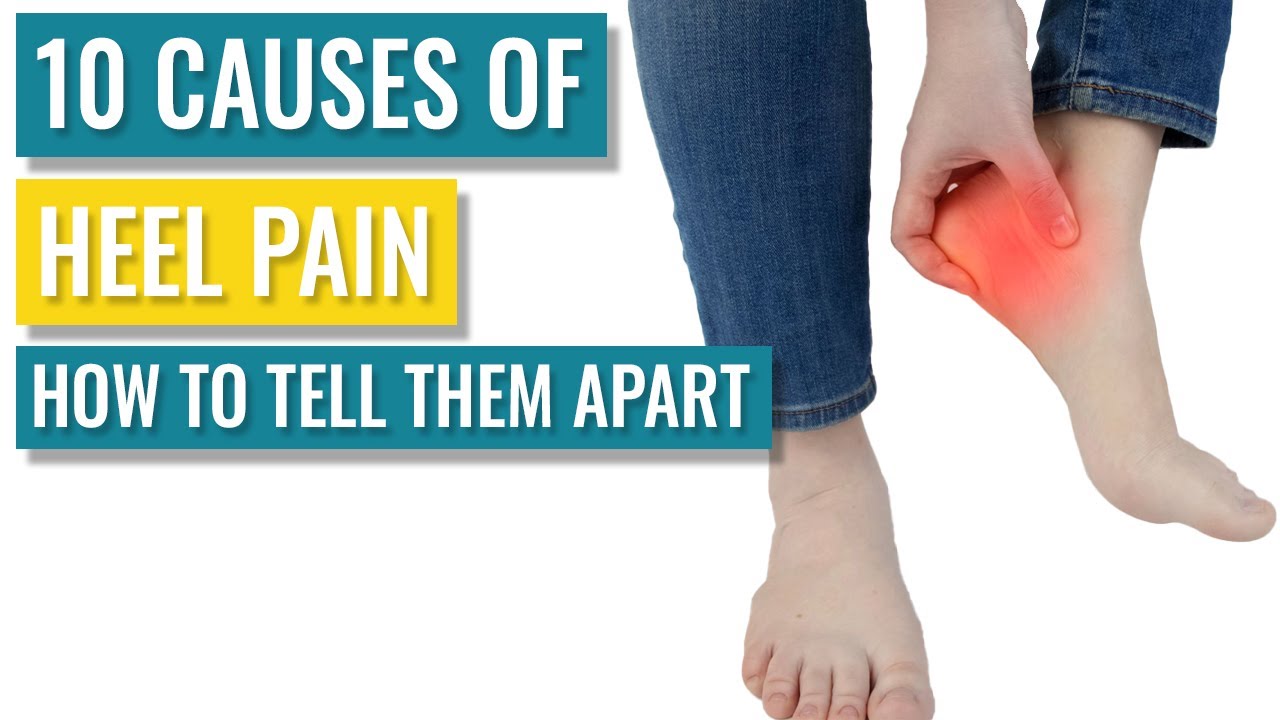
Common Causes of Sharp Pain in the Heel
Sharp heel pain can catch you off guard and disrupt your daily activities. When you feel that sudden sting, it’s often due to common issues like plantar fasciitis, which irritates the tissue connecting your heel to your toes.
You might also be dealing with a heel spur, a small bony growth that forms from repetitive stress. Achilles tendinitis, caused by overuse or tight calf muscles People Podiatry, can also trigger sharp pain at the back of your heel.
Sometimes, bursitis—the inflammation of fluid-filled sacs cushioning your heel—adds to the discomfort. Understanding these causes helps you take control and avoid letting heel pain limit your freedom to move, run, or simply enjoy your day without constant discomfort holding you back.
How to Identify Which Heel Condition You Have
Pain in your heel can stem from several different conditions, each with its own signs and symptoms. To identify which heel condition you have, start by noting when the pain occurs. Does it strike first thing in the morning, hinting at plantar fasciitis? Or does it worsen after activity, possibly indicating Achilles tendinitis?
Pay attention to the exact location—pain under the heel often points to plantar fasciitis, while pain at the back suggests Achilles problems. Swelling, bruising, or numbness can signal other issues like bursitis or nerve entrapment.
Consider your recent activities and any injuries. If the pain is sharp and sudden, a stress fracture might be the cause. By observing these details, you can better understand your heel pain and take control of your path to relief.
Home Remedies to Relieve Heel Pain Quickly
Often, you can ease heel discomfort at home using simple remedies that target inflammation and support healing. Start by resting your foot and avoiding activities that worsen the pain.
Apply ice packs for 15-20 minutes several times a day to reduce swelling. Stretch your calf and foot muscles gently to improve flexibility and relieve tension.
Wearing supportive shoes with cushioned soles can protect your heel and distribute pressure evenly. You might also try over-the-counter pain relievers to manage inflammation.
Elevate your foot whenever possible to minimize swelling. Using orthotic inserts can offer extra arch support and correct your foot’s alignment.
These steps help you regain mobility and comfort quickly, so you can keep moving freely without being held back by heel pain.

When to See a Doctor for Heel Pain
If your heel pain persists despite home treatments or worsens over time, it’s important to consult a doctor. Don’t ignore sharp or sudden pain that limits your ability to walk or stand.
Seek medical advice if you notice swelling, redness, or warmth around your heel, as these could signal an infection or serious condition. Also, if your pain follows an injury or comes with numbness and tingling, get checked promptly.
Early diagnosis helps you regain mobility faster and prevents long-term issues. Remember, addressing heel pain isn’t about restriction—it’s about reclaiming your freedom to move without discomfort.
Trust your body; when pain interferes with your daily life or sleep, it’s time to get professional help and take control of your health.
Effective Medical Treatments for Heel Pain
Several medical treatments can effectively reduce heel pain and restore your mobility. Your doctor might recommend anti-inflammatory medications to ease swelling and discomfort quickly.
Physical therapy can strengthen your foot muscles and improve flexibility, helping you get back to your active lifestyle. In some cases, corticosteroid injections offer targeted relief, though they’re usually a short-term solution.
Custom orthotics or supportive footwear can correct biomechanical issues, preventing pain from returning. If conservative treatments don’t work, minimally invasive procedures like shockwave therapy or surgery might be necessary.
Conclusion
Sharp heel pain can disrupt your daily routine, but understanding the cause helps you take control. Whether it’s plantar fasciitis, Achilles tendinitis, or a heel spur, starting with rest, ice, stretches, and supportive footwear can ease discomfort. Don’t ignore persistent or severe pain—if it limits your movement or comes with swelling and redness, see a doctor promptly. Early care helps you heal faster and get back on your feet comfortably.